Table of Content
The most popular brand, Kewpie, is packaged in a soft squeeze bottle with a narrow spout that makes it easy to use. According to the brand, Kewpie founder Toichiro Nakashima first developed the mayo in 1925 after a visit to the U.S. He used twice as much egg yolk as imported mayonnaise to make it nutrient-rich and packed with flavor. It's a quick route to a mini batch of thick and creamy mayonnaise, though you could certainly double it if you prefer. But in my two-person household, a single egg white yields exactly enough mayo to slather on a couple of sandwiches or a few ears of grilled corn.

If you're eating grocery store mayo, you're currently paying extra-virgin, cold-pressed prices for...that? You'll also see that you are paying free~range egg prices. Add about 3/4 cup of your preferred oil on top of the infusion, reserving 1/4 cup to "fill" the mayo.
How to Make Mayonnaise Without an Immersion Blender?
Separate the eggs, putting only the yolks in a mixing bowl. When you're making mayonnaise, you know you're doing it right if your arm feels like it's going to fall off. Don't stop whisking vigorously until all of the oil has been added. Add a very small amount of oil—just a few drops—and whisk as hard as you can.
Serve immediately or, to create a slightly more set texture, cover the mayonnaise or transfer to a squeeze bottle and chill. You can keep Japanese mayonnaise in the refrigerator for up to a week. Add it drop by drop and alternate with the remaining third of the oil. If in resting the oil and yolk seem to separate, the mayonnaise has broken. Making mayonnaise at home is so easy, and it only requires 6 ingredients!
Did this article help you?
Pasteurized eggs have been cooked to a temperature that destroys the bacteria without fully cooking the egg. Once all the oil has been mixed in, the mayonnaise should be thick and fluffy, with your whisk forming ribbons through the mixture. Season it carefully with fine grain sea salt. Add a small splash of water if you would like a thinner mayonnaise.
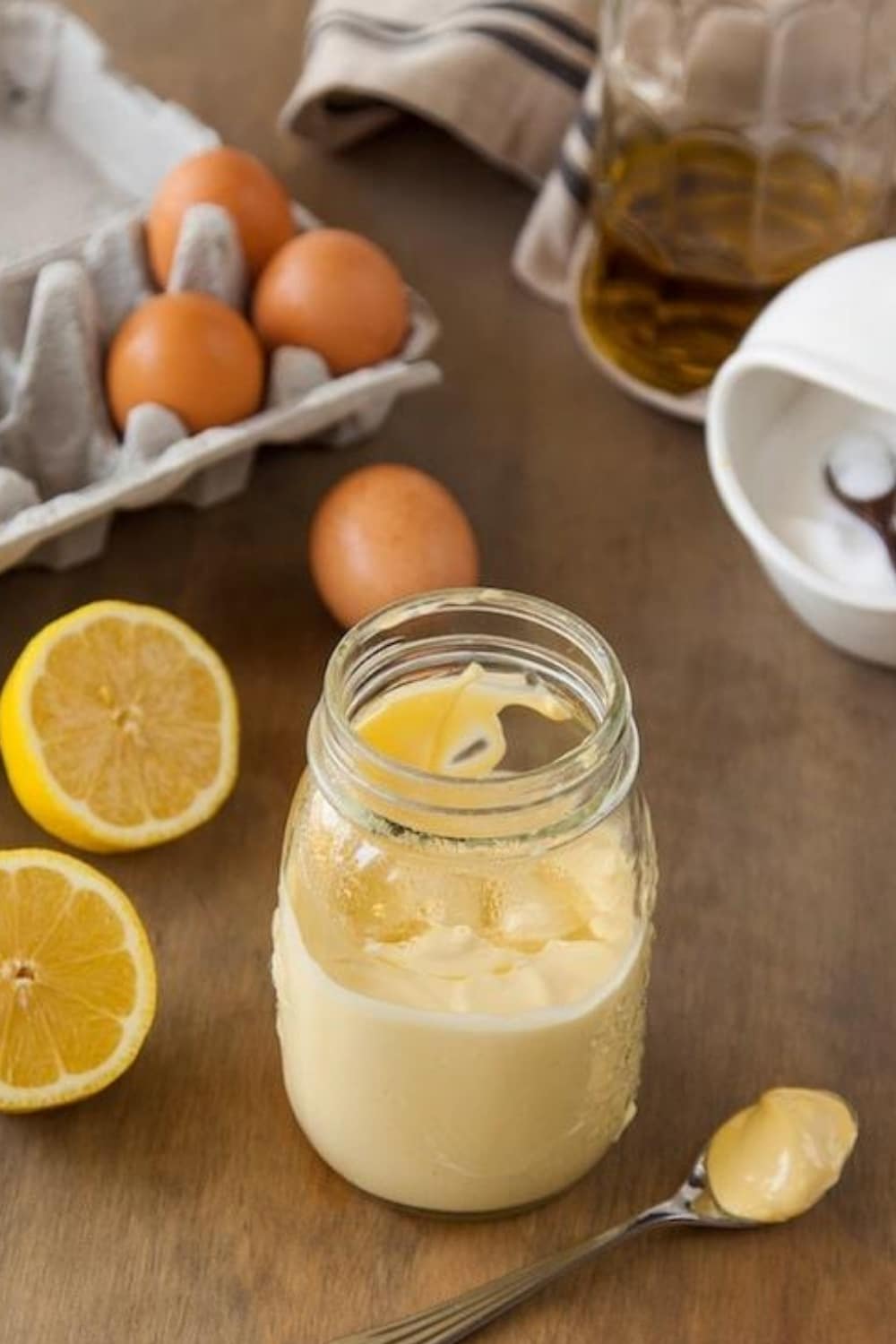
Set blender to low, place flush with the bottom of the container, and pulse until oil disappears into a creamy spread, about 20 seconds. Refrigerate in an airtight container up to 2 weeks. 1 cup oil of choice – I use olive oil for my mayonnaise, but you can use any oil you like. It is not recommended to use extra virgin olive oil as it tends to add a bitter taste. No—in fact, homemade mayonnaise is easy to make with a blender, food processor or immersion blender. But for this recipe, it makes such a small volume that it won’t properly emulsify in a blender or food processor.
Using a Stand Mixer
That means the emulsion is starting to form and you're on the way to making mayonnaise. If your emulsion should break, you can fix it by forming a new emulsion. Grab a clean bowl, add a teaspoon of lemon juice and whisk in a tablespoon or more of the broken sauce. Once that has emulsified, you can go ahead and slowly drizzle in the rest of the broken mayonnaise, while whisking continuously. It's important that the egg yolks be at room temperature. If you need to speed up the process, place the cold eggs in their shells in a bowl of hot tap water for about 5 minutes.

Like American-style mayonnaise, you need to store Japanese mayonnaise in the refrigerator in an airtight container. This could be a small glass dish, mason jar or squeeze bottle. I recommend grapeseed, canola, safflower or vegetable oil as they’re light and don’t contribute too much to the flavor. I don’t recommend olive oil or coconut oil as they won’t emulsify properly.
Why Is My Mayonnaise Not Emulsifying?
First, whisk your egg yolks in a glass bowl until they're smooth and creamy. Before starting, you'll need to separate the yolks from the whites. Gather a neutral oil such as vegetable or canola, lemon juice, and white vinegar. Some recipes call for egg yolk only, but egg white doesn’t harm mayo, but rather adds more liquid to the mix. Instead of water you can just use egg white to thin your mayonnaise out a bit. If you are concerned about using a raw egg check out this article.

Ultimately, "white mayo" is a tool that can help you take advantage of ingredients you already have on hand. If that's a fridge full of whole eggs, then go make Kenji'stwo-minute mayo! If you'd prefer the yolky richness of a traditional mayonnaise, have at it! There’s a reason Kewpie is used to accentuate Japanese dishes like egg salad, rice bowls, ramen, poke and okonomiyaki. It has a creamier, richer, slightly sweeter flavor with more umami than the jars of Best Foods or Hellmann’s Americans are accustomed to. Kewpie gets that flavor from egg yolks instead of whole eggs and rice vinegar rather than white vinegar.
Enjoy a slice of milk bread on its own, use it for sandwich bread or make it into a dessert-like bread pudding. Mayonnaise has become so over-processed that most of us can't imagine it being made from scratch. Homemade mayonnaise is tastier, healthier, and more rewarding than store-bought mayonnaise, and once you get the knack of it, making mayonnaise is a snap. Homemade mayonnaise will keep for about a week in the fridge.

Let the mayo come up to the top and then start moving your stick blender up little by little. When most of the mixture turned into mayo you can safely move your blender around to get the last bits of oil in. Add an additional egg yolk, but blend with the mixture gradually . If the oil isn't adjusted proportionally, the egg white will churn up in big, fluffy curds like an over-whipped meringue. Pregnant women are advised not to eat 'real' mayonnaise due to the aforementioned Salmonella risk from the raw eggs.
Like any handmade noodle, making udon noodles from scratch is better than store-bought, says Namiko Hirasawa Chen in Just One Cookbook. While it's more labor intensive, making fresh udon noodles with pantry ingredients like flour, salt and water is worth it for the distinct chew and bounce. Enjoy them cold with dipping sauce, warm in a pan-fried noodle dish or hot with a brothy soup. As per Kenji's method, all the ingredients are combined in a narrow container. If your immersion blender comes with a custom "blending cup," all the better! But if not, I've had great success with cocktail shakers and wide-mouth jars, too.